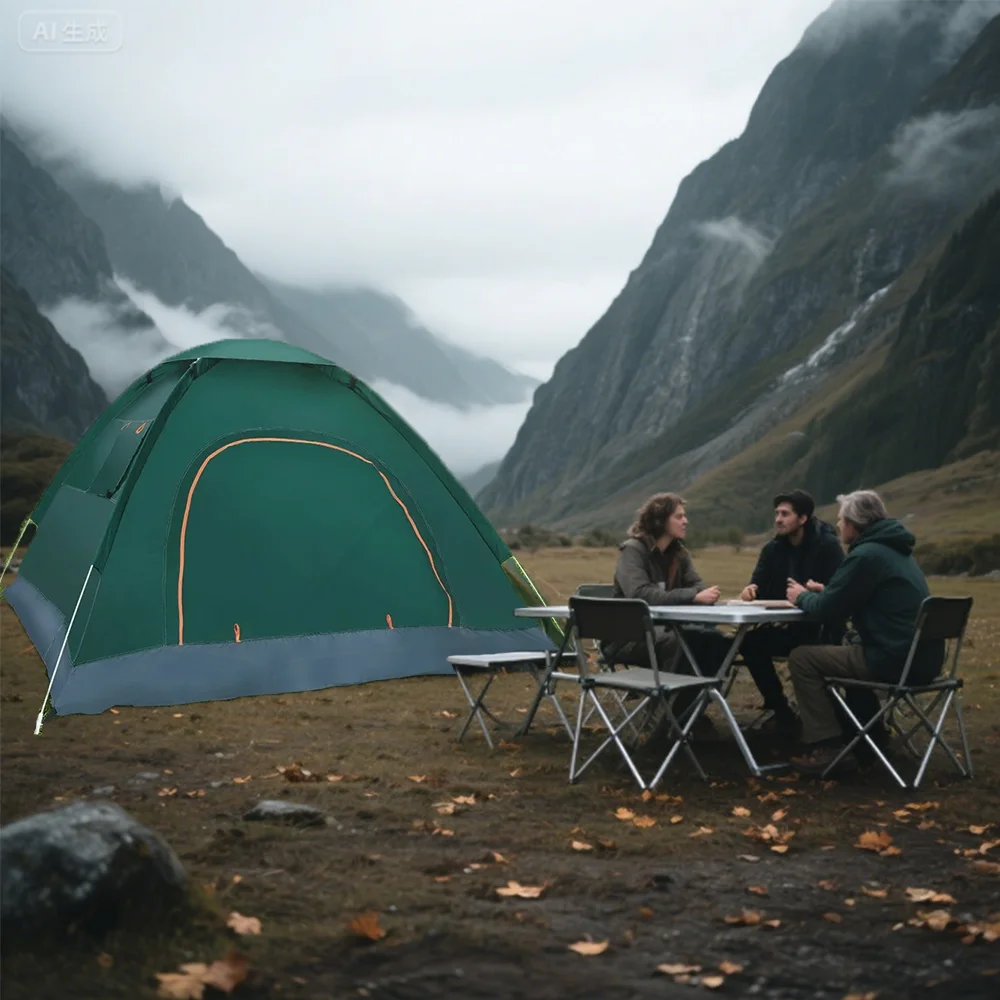
When venturing into the wilderness, whether for adventure, a camping trip, or an emergency situation, the ability to create a survival shelter in the woods is an essential skill. A good shelter will protect you from the elements, provide you with a place to rest, and enhance your ability to survive until help arrives or until you find your way back to safety. In this blog post, we’ll go over everything you need to know about building a shelter in the woods, from the materials you’ll need to the steps involved in making it.
- Understand the Importance of Shelter
The primary role of a shelter in the wilderness is to protect you from extreme weather conditions, such as rain, snow, wind, and intense sun. It’s also a safe space to rest, sleep, and preserve your energy. Without proper shelter, your body is exposed to the elements, which can lead to hypothermia in cold weather, dehydration and sunburn in hot weather, and exhaustion from exposure.
Shelter is typically considered the first priority in survival situations because it creates a safe environment where you can focus on your other survival needs, such as finding food, water, and signaling for help. If you’re stranded or lost, building a shelter should be one of your first steps.
- Choose the Right Location
Before you begin constructing your shelter, it’s crucial to choose the right location. A poorly chosen site can make it difficult to stay warm, dry, or comfortable.
Look for the following factors when selecting a site:
- Flat Ground: Look for a flat, dry area to set up your shelter. Steep slopes may make it difficult to sleep or keep your shelter stable. Also, a flat area will keep you off the ground, preventing discomfort and coldness from the earth.
- Avoid Low Lying Areas: Never set up your shelter in a hollow or low area, as water will accumulate there if it rains. This increases the risk of flooding your shelter, leaving you exposed to cold or wet conditions.
- Safety Considerations: Avoid building near hazardous areas, such as cliffs, riverbanks, or areas prone to falling rocks or flash floods. You should also steer clear of large dead
trees or branches that might fall during windstorms.
- Natural Resources: You want to be near the materials you’ll need for shelter construction, such as fallen branches, foliage, and rocks. If you’re in a forested area, this will likely be a relatively easy task. You’ll also want to have access to a water source, but not so close that your shelter will be flooded if it rains.
- Gather Materials
Building a survival shelter requires several basic materials, many of which are found naturally in the woods. Depending on the shelter you choose, you’ll need to gather items such as branches, leaves, rocks, and other natural resources. Here are the essential materials you’ll need to start:
- Branches and Wood: The framework of your shelter will typically consist of sticks and branches. These can be used to create a structure that is both sturdy and flexible enough to hold up the rest of your shelter. If you’re building a debris shelter, you’ll also need large branches to lean against a frame.
- Leaves, Grass, and Moss: For insulation, you’ll need to gather materials like leaves, grass, or moss. These will help trap heat inside your shelter, keeping you warm at night. You can use a thick layer of leaves or grass to cover the floor for added comfort and warmth.
- Rocks: Rocks can be used for constructing walls, a base, or even a fire ring if you plan to build a fire inside your shelter.
- Bark and Natural Fibers: These can be used to tie branches together or even to make a makeshift roof or walls for a shelter. Natural fibers are especially useful when building shelters like lean-tos or a tarp shelter.
- Tools (Optional): If you have a knife, axe, or saw, these tools will be invaluable for cutting and shaping wood, stripping bark, or even carving tent stakes. However, you can still make a shelter with just natural materials if you don’t have any tools on hand.
- Shelter Types
There are various types of shelters that you can build in the woods, depending on your environment, the resources available, and your skills. Here are three of the most common types:
- Lean-to Shelter
A lean-to is one of the most common and easiest survival shelters to build. It’s essentially a frame made of branches that you cover with leaves, bark, or other natural materials to provide insulation and protection.
How to Build:
- Find two sturdy trees or set up long branches as the base. Arrange them in a slanted position against the trees or support them with rocks.
- Use branches to create a roof that slants downward, ensuring the thicker part of the branches is facing out to block rain.
- Cover the frame with leaves, grass, or moss, layering them to create a thick, insulated barrier. Add additional layers to improve waterproofing.
- Lay more leaves or grass on the floor for warmth and comfort.
- Debris Hut Shelter
A debris hut is another effective option for building a shelter that can protect you from the elements. It’s particularly useful if you need to conserve body heat and stay dry in wet or cold weather.
How to Build:
- Find a sturdy branch that can serve as a center ridgepole. Lean it between two trees or prop it up against a fallen log.
- Lean smaller branches against the ridgepole, forming an A‑frame shape. This will act as the frame for your hut.
- Pile leaves, grass, moss, or any available natural materials on the framework to form thick insulation, adding layers until the shelter is both waterproof and insulated.
- Tarp Shelter
If you have access to a tarp, creating a shelter becomes a lot easier. A tarp can offer quick, lightweight shelter while still providing ample protection from wind and rain.
How to Build:
- Stretch a tarp between two trees, making sure it’s taut and secure. If you don’t have trees to tie it to, you can use sticks or branches to create a makeshift frame.
- Elevate one side slightly to allow for drainage and airflow.
- Anchor the corners and edges of the tarp with rocks or heavy objects to ensure it doesn’t blow away in the wind.
- Add insulation on the floor with leaves, branches, or pine needles to make the shelter more comfortable.
- Add Insulation and Waterproofing
Once your shelter’s frame is in place, insulation is a top priority. Proper insulation is key to staying warm and dry during the night. The more layers of leaves, grass, or moss you can add, the better the insulation.
- Flooring: Lay down thick layers of leaves or pine needles on the ground inside your shelter. This creates a barrier that helps to insulate you from the cold earth and provides cushioning for comfort.
- Roofing and Walls: The same principles apply to the roof and walls. Use a mix of natural materials such as leaves, moss, bark, and branches to insulate the shelter. Ensure that your roof is well-covered, with the material overlapping to prevent leaks.
- Waterproofing: To waterproof your shelter, ensure that the outside of the roof is covered with a durable material like bark or large, thick leaves that will shed water. The more layers you have, the better protected you’ll be from rain.
- Maintain and Improve Your Shelter
Once your shelter is up, it’s important to periodically check and improve its quality. Over time, materials like leaves, grass, and moss can lose their insulating properties, so it’s a good idea to replenish them regularly. Also, if you’ve set up near a water source, make sure that your shelter remains dry and doesn’t get flooded during rainstorms.
Conclusion
Creating a survival shelter in the woods is a critical skill for any outdoor enthusiast or adventurer. With the right materials, knowledge, and determination, you can build a shelter that provides warmth, comfort, and protection in the harshest conditions. Whether you choose a
lean-to, debris hut, or tarp shelter, the key is to understand the environment around you, gather the right materials, and construct a structure that will keep you safe and dry.
Make sure to practice shelter-building techniques before heading into the wilderness to improve your skills and confidence. With the proper preparation and a bit of effort, you’ll be able to thrive in the woods, no matter what challenges come your way.