
Camping is one of the most rewarding ways to reconnect with nature, enjoy the outdoors, and escape the hustle and bustle of daily life. Whether you’re a seasoned camper or a beginner, planning the perfect camping trip is essential to ensure you have a safe, enjoyable, and comfortable adventure. In this blog, we will guide you through the key steps in planning your next camping trip, from selecting the right destination to packing the essentials and preparing for unexpected challenges.
The first step in planning any camping trip is to decide where you want to go. The destination will play a significant role in shaping your experience, so it’s important to select a location that suits your preferences and level of experience. Here are a few factors to consider:
Type of Camping: There are various types of camping experiences to choose from. Traditional tent camping, RV camping, and even glamping (glamorous camping) are all popular options. Some campgrounds offer facilities like showers, restrooms, and electricity, while others are more rustic with few amenities.
Distance and Travel Time: Determine how far you’re willing to travel. If you’re planning a weekend camping trip, a local destination will be more practical. However, for a longer vacation, you might want to choose a destination farther away. Consider travel time, road conditions, and the ease of access to the campground.
Season and Weather: The time of year can significantly affect your camping experience. If you’re planning a summer trip, look for destinations that offer cooling shade and access to lakes or rivers for swimming. For fall or winter camping, make sure to prepare for colder weather and bring appropriate gear. Research the typical weather conditions for the area to ensure you pack accordingly.
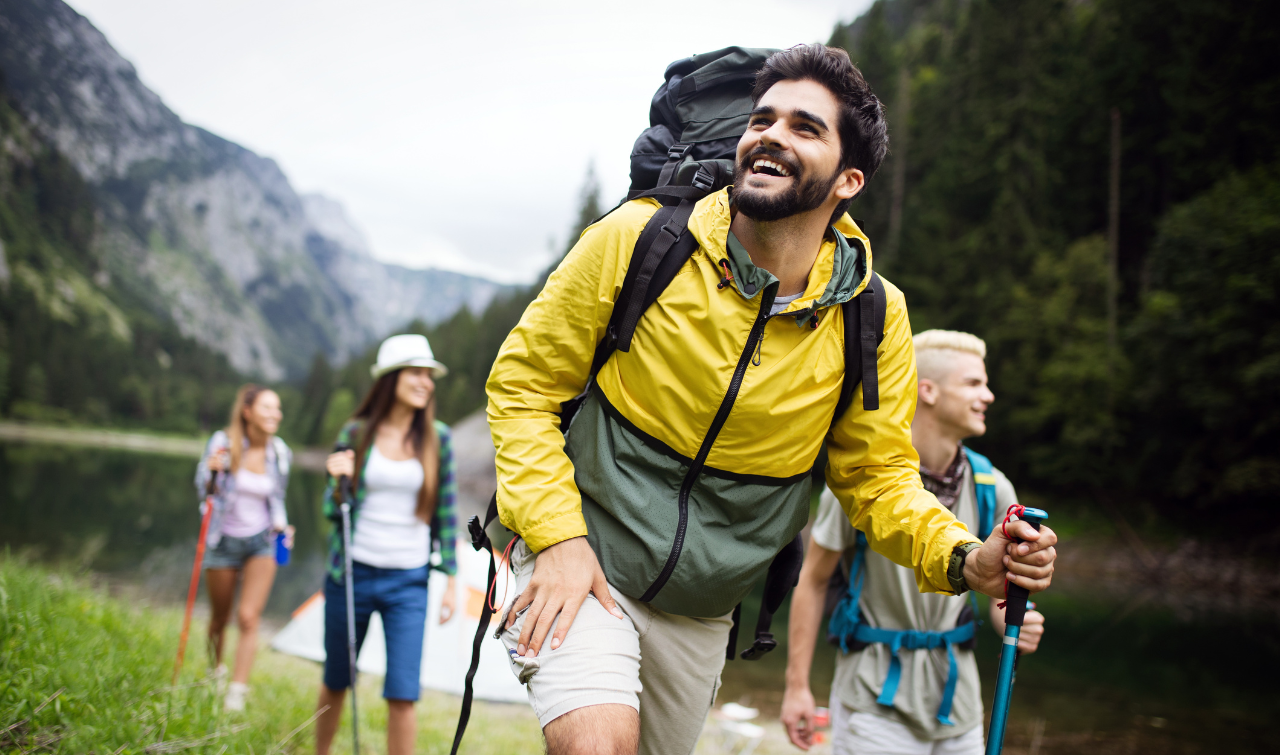
Activities: Consider the activities available at the campsite or in the surrounding area. Do you enjoy hiking, fishing, canoeing, or simply relaxing by the campfire? Make sure your chosen destination offers the activities you love, as well as any special attractions like wildlife viewing, scenic vistas, or nearby national parks.
Once you’ve chosen your destination, it’s time to reserve your campsite. Many popular camping spots, especially those in national parks, require reservations, particularly during peak seasons. Some campsites offer first-come, first-served availability, but it’s always a good idea to make a reservation in advance to avoid disappointment. You can typically reserve a campsite online through the campground’s website or through booking platforms like Recreation.gov or ReserveAmerica.
When booking, make sure to choose a campsite that matches your preferences—whether you want to be close to a water source, have more privacy, or be in a group setting. Pay attention to any specific rules or regulations regarding fires, pets, or noise, as well as any fees associated with the campsite.
Packing is one of the most crucial aspects of planning a camping trip. The right gear can make the difference between a comfortable adventure and a miserable one. Here’s a breakdown of the essential items you’ll need:
Shelter and Sleeping:
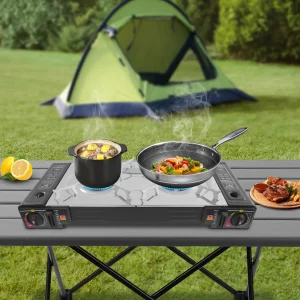
Cooking and Eating:
Clothing:
Safety and Navigation:
Extras:
Make sure to double-check your gear before heading out to ensure you don’t forget anything crucial.
Food is a big part of the camping experience, and it’s important to plan your meals ahead of time. Cooking over an open fire or portable stove is a fun and rewarding activity, but it’s essential to plan meals that are easy to prepare and meet your dietary needs.
Meal Ideas:
Be sure to pack non-perishable items like canned beans, pasta, and rice, as well as fresh fruits and vegetables that can last a few days. If you’re camping in an area with access to fresh water, you may also want to bring a portable water filter to ensure you have clean water for cooking and drinking.
While camping is a fun and relaxing experience, it’s important to be prepared for any emergencies that may arise. Here are some safety tips to keep in mind:
Know Your Surroundings: Familiarize yourself with the terrain, wildlife, and potential hazards in the area. Research whether there are any dangerous animals, like bears or snakes, in the region and learn how to avoid encounters. Always store food securely and away from your tent to avoid attracting wildlife.
Emergency Contacts: Let someone know your camping plans, including the location, dates, and expected return time. It’s a good idea to have a plan in case of an emergency, such as knowing the nearest hospital or ranger station. Consider bringing a fully charged cell phone and a portable charger for emergency situations, though be aware that some remote areas may have no signal.
Weather Alerts: Keep an eye on the weather forecast leading up to your trip and while you’re camping. Severe weather can occur unexpectedly, so always have a backup plan in case you need to shelter from storms or evacuate. It’s better to be over-prepared than to be caught off guard.
Finally, once everything is packed and ready, it’s time to enjoy the adventure! Camping is about more than just the logistics—it’s about embracing the natural world, disconnecting from technology, and making memories with friends or family. Take time to hike, explore, swim, or simply relax by the fire. Use this opportunity to unwind, connect with nature, and appreciate the simple pleasures that camping offers.
Conclusion
Planning your next camping trip doesn’t have to be overwhelming. With proper preparation and the right gear, you can create a camping experience that is safe, fun, and memorable. From selecting the perfect destination to packing the essentials and staying safe, the key to a successful camping trip is planning ahead. Whether you’re hiking through the wilderness, fishing by a quiet lake, or enjoying time around the campfire, camping is an adventure you won’t soon forget.
Happy camping!